Nvidia tightens tracking of AI GPUs in Southeast Asia as Chinese chip smuggling draws scrutiny, report claims
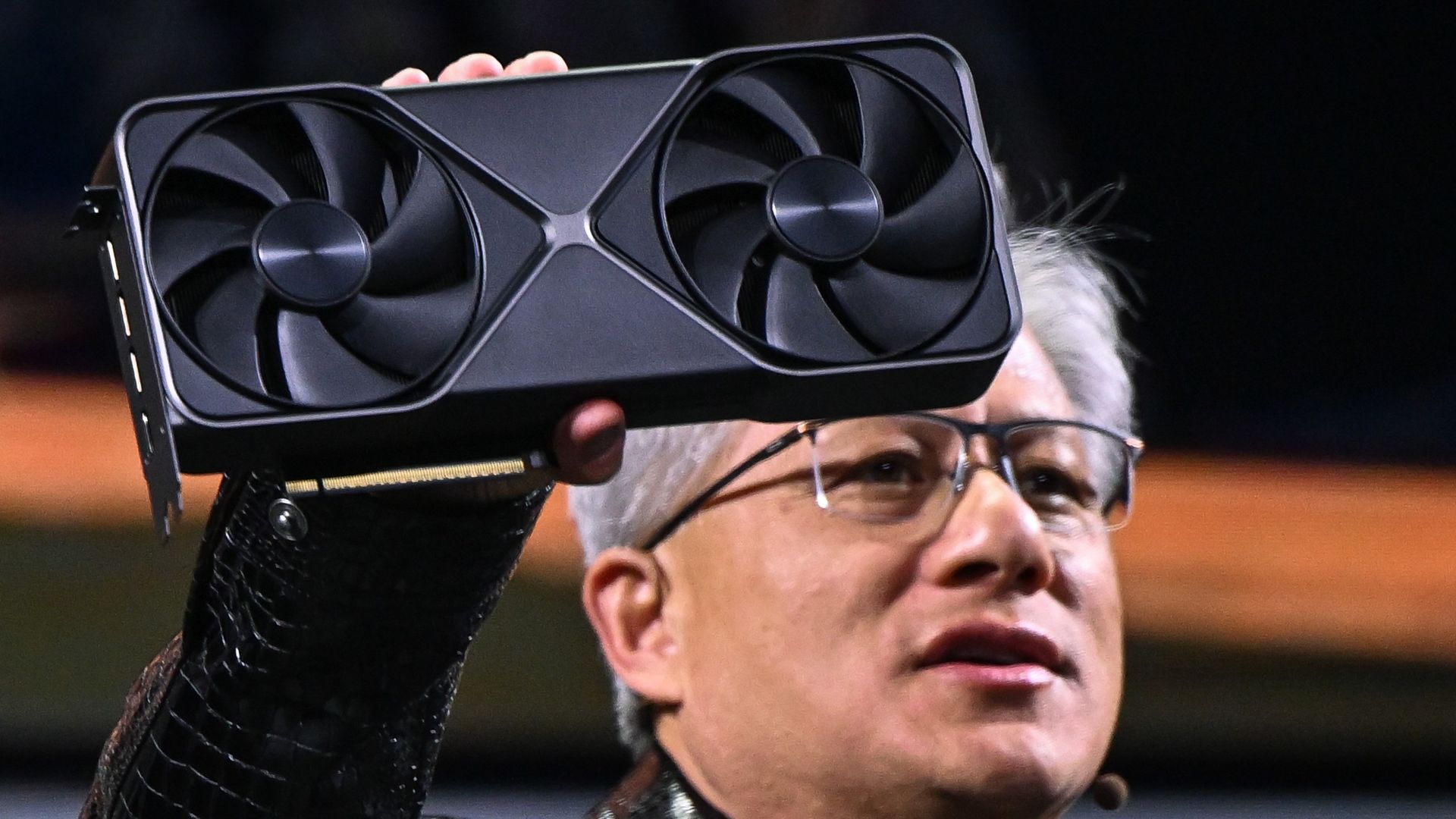
Southeast Asia computing providers are now reportedly required to register with Nvidia's Fleet Intelligence tracking system if they want to become official Nvidia Cloud Partners (NCPs). The move, according to Bloomberg, is aimed at giving the chipmaker another way to monitor where its AI accelerators are deployed, as Washington grows increasingly frustrated with restricted hardware finding its way into China through regional smuggling networks. Nvidia was not immediately available for comment.

- While the U.S. flip-flops on chip sanctions, China is building its own chip supply market
- The state of China's decade-long semiconductor push
- Huawei Ascend NPU roadmap examined
- China's CXMT targets 30% DRAM memory market share by 2030 with sixth mega-fab
- China's latest round of rare-earth export controls explained
The NCP designation is worth pursuing as it gives cloud providers Nvidia's public endorsement and preferred access to its sought-after AI chips, putting the company in a position to use those benefits as leverage. Customers seeking the status must now enroll in Fleet Intelligence, according to people familiar with the new requirements. Fleet Management was introduced last December primarily as a data centre management tool. It gathers information about NVIDIA hardware deployed across participating companies' infrastructure, including the locations of individual accelerators. That information could give Nvidia a better picture of whether its chips are operating after they leave the supply chain.
The system is, however, a universal tracking mandate. Participation has remained voluntary outside the NCP requirement, and Nvidia does not automatically receive location data from every customer using the software. The company has also not clarified whether existing Cloud Partners will have to enroll to retain their designation or whether the requirement will eventually extend beyond Southeast Asia.
Notably, Nvidia has been developing a way to locate AI for some time now. Last December, we reported that the company had developed software-based GPU tracking, using GPU telemetry and network latency measurements to estimate where processors are operating. Nvidia described the software as a customer-installed agent for monitoring hardware health, integrity and inventory.
The technology has an obvious use beyond data maintenance. The U.S. restricts Chinese companies from purchasing advanced AI accelerators without a license, yet authorities believe billions of dollars worth of the hardware have reached Chinese buyers through third-party networks, with Southeast Asia becoming an important transit point for those transactions.
A C4ADS investigation has previously identified several routes used to move restricted processors into China, including purchases through research initiatives, shell companies and shipments routed through other Southeast Asian countries. The nonprofit examined transactions between 2022 and 2025 and identified $13.4 million worth of Nvidia A100, H100, and AD102-series GPUs moving through regional trade routes. Its report also linked $4.6 billion in hardware purchases to Singapore-based Megaspeed International.
Megaspeed has become a particularly awkward case for Nvidia, with the company being under U.S. and Singaporean investigation for more than a year over suspected chip diversion. Last week, Nvidia CEO Jensen Huang defended his dealings with the firm, describing them as “completely normal,” adding, “we’ve studied all their deployments of our GPUs and counted every one.” Megaspeed denied any wrongdoing. In April, Megaspeed’s Malysisan data centre landlord terminated its contract, reallocating 68.4 megawatts of capacity to another cloud provider
Moreover, Megaspeed is not the only example of how difficult it can be to police the movement of AI hardware. Earlier this year, U.S. prosecutors accused people associated with Super Micro of helping divert around $2.5 billion worth of Nvidia-powered servers to China through Southeast Asian intermediaries. The alleged scheme involved falsified paperwork and dummy server shells, with genuine hardware shipped onward after inspections. More recently, the company has faced additional scrutiny over its export compliance after inspections. Nvidia has also reportedly removed half of the Asian companies on its pre-approved buyer list and told cloud providers to keep at least 51% of their computing services with customers outside China.